
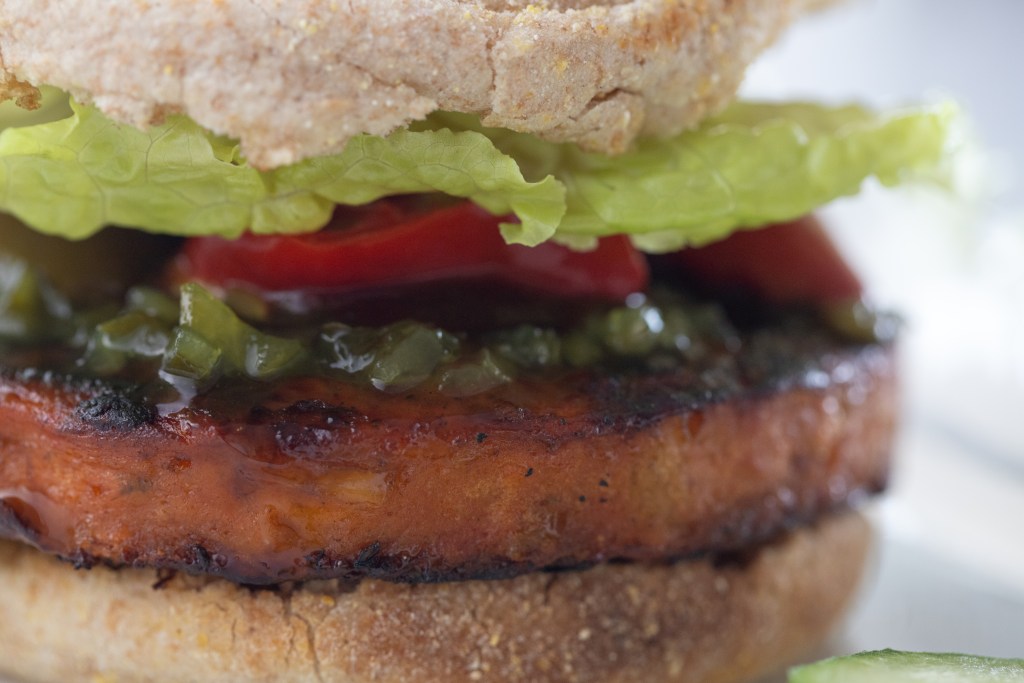
In recent years you’ve likely encountered reports of lab-grown or cultivated meat. As outlined in the article, “Will I See Lab-Grown Meat in Supermarkets Any Time Soon?” some people consider it a great alternative that addresses any ethical concerns they might have about killing animals for food. And we are one step closer to it becoming available to consumers as the USAD has approved two companies to sell it to “select restaurants, and eventually supermarkets.”
This type of meat differs from plant-based alternatives like Beyond Meat and such because it is really meat. It may not be the product of a slaughtered animal, but it is grown from “muscle, fat, and tissue cells from fertilized eggs” to produce “a product that is biologically indistinguishable from the flesh of a slaughtered bird.”
But whether consumers will go for it is another question. According to this article, whereas plant-based milk alternatives have been a great success, meal alternatives have been at the centre of “culture wars,” where meat-eaters feel that eating them would be capitulating to vegans.
Moreover, and in my view interestingly, people might feel “squeamish” about eating meat that “was never technically alive.” They either think it’s “weird” or unsafe (I guess because we associate things grown in labs with things that “experimental” and experimental with potentially harmful or not ready for wide distribution).
Chris Bryson, CEO of a plant-based meat alternative company called New School Foods, notes that the main thing is to create a product that tastes good (or better) than meat. Clearly, his goal is to do that through plant-based alternatives. But if people can get over their squeamishness about lab-grown meat, that is another way to go.
Now clearly the lab-grown meat isn’t strictly vegan since it is sourced from animal cells. But if it has none of the ethical issues surrounding animal exploitation, animal killing, and animal cruelty, that may be enough to convince some ethical vegans that this type of meat does not go against the spirit of their principles (even if it challenges the letter).
Speaking of squeamishness, I myself now find meat too “fleshy” for my taste, and am not sure that I can eat it any longer for that reason, just from an aesthetic perspective. It has an ick-factor that I can’t quite get past. But as an alternative to factory farmed meat products, there is a world of ethical difference. And not all vegans have the ick-factor. Very many miss meat a lot and would eat it if there were cruelty-free options available. Hence among some vegans to get really excited when plant-based alternatives come along that are really close to “the real thing.”
At present, however, there is a further stumbling block. It is not clear, according to reports, whether there is an environmental advantage to this type of meat production. Since a lot of people who avoid animal products do so because of carbon emissions, tracking and, if necessary, reducing the energy-intensiveness and carbon footprint of lab-grown meat (pound for pound), is going to be an important further step.
Lab-grown meat is still kind of pricey, not really yet in the reach of the average consumer. But if they can work out some of the environmental issues and bring down the price, and if people can consider it standard fare (as opposed to experimental) it offers a cruelty-free alternative to factory farmed meat. That said, I’ll still take the veggie burger.


 Vegan Practically
Leave a reply to Tracy I Cancel reply